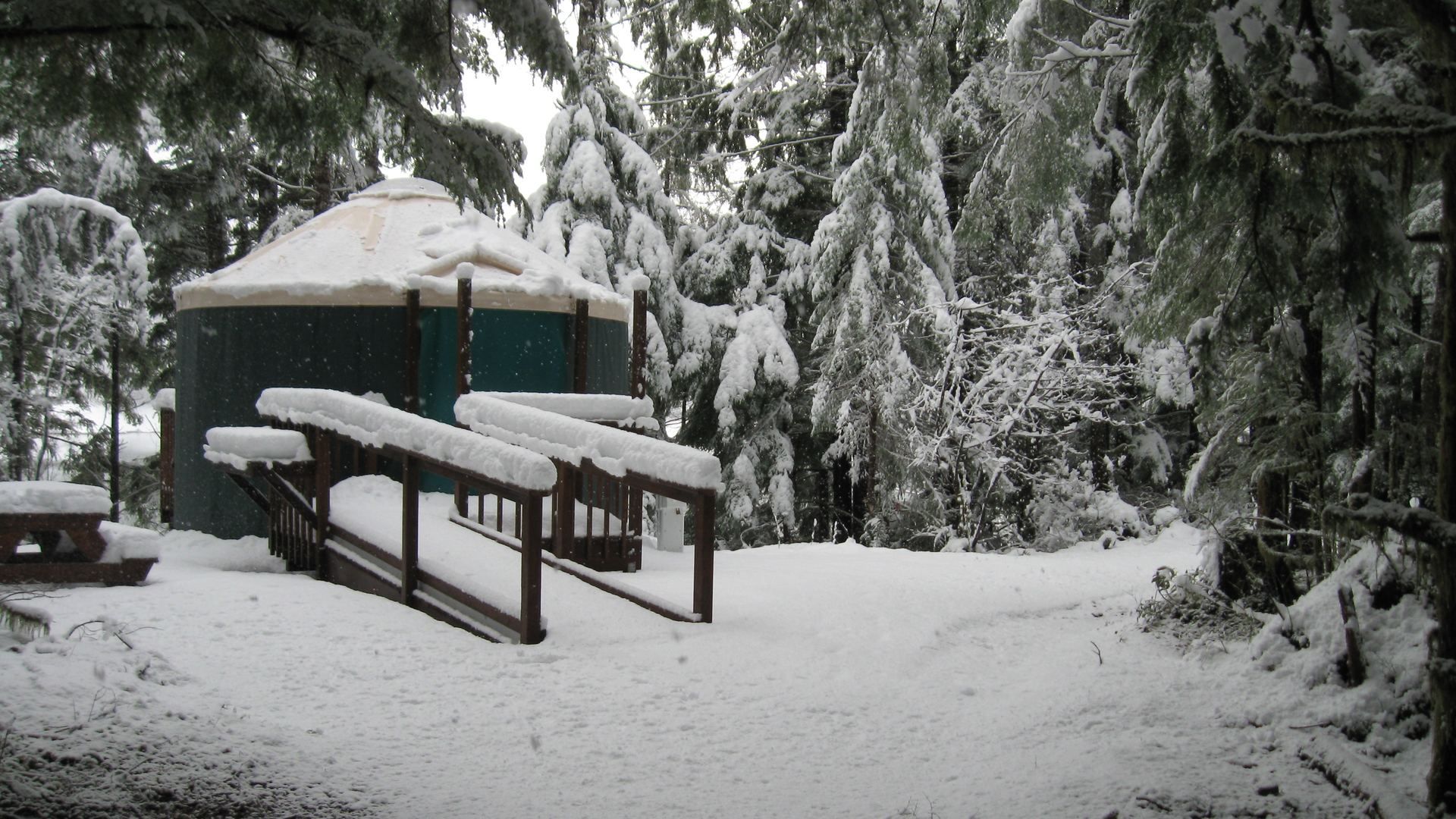
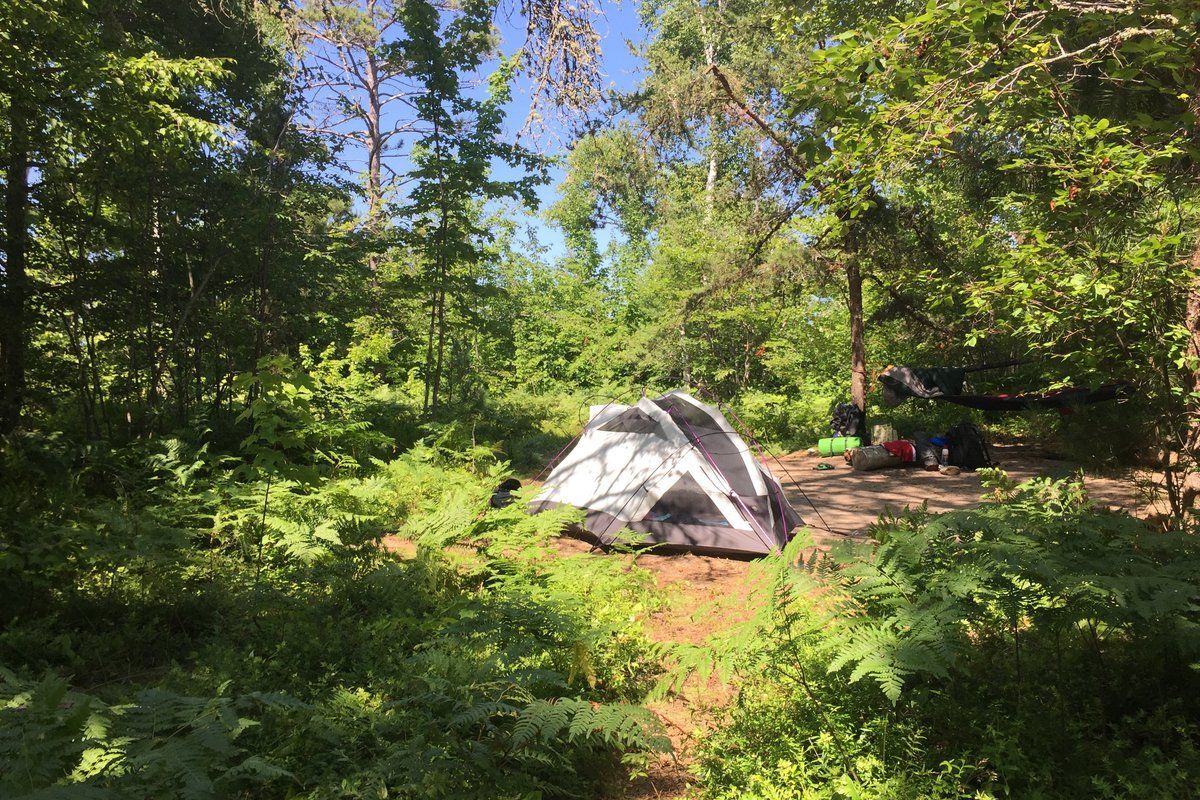
Photo (resized): NPS Photo, public domain via Wikimedia Commons.

Direct answer: This is an overnight wilderness backpacking packing list, not a day-hike kit and not a city or hostel travel list. Pack a backpack that fits your torso and your gear, a shelter and sleep system, a stove and fuel, a way to treat water, enough food plus an extra day's supply, and a food-storage method that matches the local rules, such as a bear canister or an approved hang. Bring the Ten Essentials, and follow Leave No Trace, including packing out your trash. Use our hiking trip packing list for a day hike, or the camping packing list if you are driving to a car-camp site.
You won't forget anything because I won't let you.
How is a backpacking list different from a day-hike list?
Our hiking trip packing list is built for day hikes: you go out and come back the same day. Overnight backpacking is a different job because you have to carry the night with you. That means a shelter, a sleep system, a stove and fuel, more food, water treatment for the whole trip, and a way to store food that follows the local rules.
City, rail, and hostel backpacking is a different trip too, and it is not covered here. If your itinerary is a national park, use the national park packing list for passes, wildlife distance, and park-day planning, then come back to this list for the overnight wilderness kit. Check permits, campsite rules, and trail conditions on the park or forest site, or on Recreation.gov, before you pack.
What size backpack do you need for an overnight trip?
There is no official backpack size for an overnight trip. The right pack is the one that fits your torso and holds your shelter, sleep system, food, water, and clothing without turning the outside of the bag into a yard sale. A weekend pack is usually smaller than a week-long pack, and a winter or shoulder-season pack often needs more room for extra insulation.
A common starting point for a weekend trip is a mid-size pack, often described in the 40 to 65 liter range, but that is a starting point, not a rule. Fit and the bulk of your actual gear matter more than the number on the tag. Try the pack on with your tent or tarp, sleep system, food, and water if you can, and adjust the volume before you get to the trailhead.

50L Water-Resistant Hiking Backpack (Black)
A 50-liter pack in the size range many overnight trips use. Check the fit and your gear volume before you commit to the trail.
From our shop: we sell this product and earn from purchases.
What shelter and sleep system should you pack?
For an overnight trip you need a real shelter and a sleep system, not just the emergency bivy in the Ten Essentials. Pack a tent, tarp, or similar shelter you already know how to pitch, plus stakes and a footprint or ground sheet if you use one. For sleep, pack a sleeping bag or quilt and a sleeping pad. Choose insulation for the conditions you could actually get on that route, not only the pleasant afternoon at the trailhead.
The National Park Service Ten Essentials page still lists emergency shelter as its own system, such as a tent, space blanket, tarp, or bivy, because shelter matters if plans change. The overnight shelter you already packed can cover that system; an emergency blanket is a small backup if you have room. Practice the pitch at home so you are not learning knots in the dark.

How should you pack food, water, and a stove?
Food and water are the parts of this list that change with the land manager and the water sources on your route. The National Park Service food storage page says to check with the park before taking food into the backcountry. Regulations differ: some parks require food lockers or bear-resistant food containers (bear canisters), while others allow visitors to hang food from a tree in a food bag, or from a food pole. A canister only works if it is closed and locked, even while you are in camp. Place it on flat, level ground 100 feet or more from your campsite, not near cliffs or water, and do not attach ropes or other items to it. Do not store food in your tent. Pack out all uneaten food and food scraps, and treat wrappers and other garbage the same as food.
For what to carry, that NPS page suggests compact, high-calorie foods with less odor, such as rice, tortillas, jerky, pastas, nuts, dried fruits, peanut butter, and protein bars. The Ten Essentials page also says to pack an extra day's supply of food, preferably no-cook items. A backpacking stove and enough fuel beat a big campfire for dinner, and Leave No Trace guidance is to use a stove when you can and keep fires small, contained, and legal. If you do use a fire ring, check fire restrictions and follow Smokey Bear campfire safety, including putting the fire completely out before you leave.
For water, do not drink untreated water from a lake, river, or stream just because it looks clear. The CDC water treatment page says germs that can make you sick sometimes look clean, and that drinking water straight from a clear mountain stream is generally not safe. Boiling is the best way to kill germs. Bring clear water to a rolling boil for 1 minute, or for 3 minutes at elevations above 6,500 feet, then let it cool. The next best option is to filter the water and then disinfect it. Follow the instructions on any filter or treatment product you use. This is not medical advice; ask a clinician if you have questions. Carry enough treated water to get to the next reliable source, plus a way to collect and treat more.
What clothes and Ten Essentials should you pack?
Pack layers, not a closet. A simple system covers most overnight trips: a base layer that dries quickly, a warm mid layer, a rain shell, sleep clothes, a warm hat, and spare socks. The NPS Ten Essentials page says to prepare for sudden changes in weather and to pack an extra layer that reflects the most extreme conditions you could encounter, which may include a raincoat, jacket, hat, or gloves. For sun, that same page lists sunglasses, sunscreen, and a hat, and notes that sun-protection clothing can also help.
The Ten Essentials are organized as ten systems: navigation (map, compass, and a GPS unit, plus a physical map as a backup), sun protection, extra clothing, illumination (a headlamp is recommended because it is hands-free, plus extra batteries), first-aid supplies, fire (matches or a lighter and fire starters, and only where fires are allowed), a repair kit and tools, extra food, water and water treatment, and emergency shelter. Tell someone where you are going and when to expect you back. If you drive to the trailhead, a power bank can help with a phone map; if you fly to the start of the trip, TSA says power banks must go in carry-on bags, never checked bags.
Leave No Trace is the other half of packing well: plan ahead, travel and camp on durable surfaces, pack out waste including food scraps, leave what you find, keep fires small and legal, give wildlife space, and be considerate of other people. Those are paraphrases of the seven principles, not a reprint; read the official list before you go.
How should you pack for cold weather or shoulder season?
A late-November publish date is a good reminder that many mountain routes already have snow, short days, and cold nights. This is still a general overnight backpacking list, not a full winter camping guide. Check current trail, snow, and road conditions, and be honest about whether the trip is still a three-season overnight or a snow trip.
If you go anyway, add insulation, a sleep system warm enough for the night you might actually get, extra socks, and traction if ice is likely. A desert or lower-elevation route can be a better late-season option than a high, snowy pass, but nights can still be cold. For snow-specific camp gear, use the winter camping packing list and then come back to this list for the backpack, food storage, and water-treatment pieces.
Backpacking packing checklist
Use this split list for an overnight wilderness trip. The hiking trip packing list covers a day-hike kit, and the camping packing list covers car-camp base gear you do not carry on your back.
Before you go
- Permits, campsite rules, and trail conditions for the specific route
- Food-storage rules (canister, hang, locker, or other approved method)
- Fire restrictions and water-source plans
- A trip plan left with a contact at home
- A pack that fits, tested with your actual shelter, sleep system, food, and water
To pack
- Backpack with a comfortable torso fit
- Shelter (tent, tarp, or similar), stakes, and a ground sheet if you use one
- Sleeping bag or quilt, plus a sleeping pad
- Stove, fuel, pot, and a way to eat
- Food for the trip, plus an extra day's supply
- Water bottles or a reservoir, plus a way to treat water
- Food storage that matches local rules (bear canister or approved hang)
- Clothing layers, including a rain shell, warm mid layer, sleep clothes, warm hat, and spare socks
- Ten Essentials: navigation, sun protection, extra clothing, headlamp and extra batteries, first aid, fire starter where allowed, repair kit, extra food, water treatment, and emergency shelter
- Trash bags so you can pack out food scraps and wrappers
- Permit, map, and any required park or forest documents
Leave at home unless the route requires it
- Car-camp furniture, coolers, and other base-camp gear from the camping packing list
- A day-hike-only kit with no shelter or sleep system
- Food-storage methods the land manager does not allow
- Firewood from home, and any fire gear where fires are banned
- Extra city or hostel items that do not earn their weight on the trail
Backpacking packing FAQ
What should I pack for a backpacking trip?
Pack a backpack that fits your torso and your gear, a shelter and sleep system, a stove and fuel, a way to treat water, enough food plus an extra day's supply, and a food-storage method that matches the local rules. Add the Ten Essentials, including navigation, sun protection, extra clothing, lighting, first aid, fire starter, a repair kit, extra food, water treatment, and emergency shelter. Follow Leave No Trace, including packing out your trash.
How is a backpacking packing list different from a day-hike list?
A day-hike list covers what you carry for a hike that returns the same day. A backpacking list adds overnight systems you have to carry: a shelter, a sleep system, a stove and fuel, more food, water treatment for the whole trip, and food storage that follows local rules. Use our hiking trip packing list for a day hike.
What size backpack do I need for an overnight trip?
There is no official backpack size for an overnight trip. The right pack is one that fits your torso and holds your shelter, sleep system, food, water, and clothing without needing to strap half the kitchen to the outside. A weekend pack is usually smaller than a week-long pack. A common starting point for a weekend trip is a mid-size pack, often described in the 40 to 65 liter range, but fit and gear volume matter more than the number on the tag. Try the pack on with your actual gear if you can.
Do I need a bear canister?
It depends on the land manager. The National Park Service food storage page says regulations differ by park: some parks require food lockers or bear-resistant food containers, also called bear canisters, while others allow visitors to hang food from a tree in a food bag. Check the rules for the specific trail or park before you go, and do not store food in your tent.
How should I pack food and water for a backpacking trip?
The National Park Service recommends compact, high-calorie foods with less odor, such as rice, tortillas, jerky, pastas, nuts, dried fruits, peanut butter, and protein bars, plus an extra day's supply. Store food, trash, and scented items the way the local rules require, and pack out all food waste. For water, the CDC says clear streams can still be unsafe, boiling is the best way to kill germs, and the next best option is to filter water and then disinfect it. Bring water to a rolling boil for 1 minute, or for 3 minutes at elevations above 6,500 feet. This is not medical advice; follow product instructions and ask a clinician if you have questions.