Share this article

Winter Camping Packing List: Be Ready for the Cold

Richard Wooten • October 31, 2026

Who is this article for?: This guide is for campers heading out in cold weather who want to stay warm, dry, and safe. Whether it’s your first time winter camping or you’re a seasoned adventurer looking to refine your setup, this packing list covers everything you need.


Quick answer: For winter camping, pack moisture-wicking layers (no cotton), a four-season tent, a sleeping bag rated 0°F or colder, a sleeping pad with R-value 4+, a liquid-fuel stove, a headlamp, and safety basics like a first-aid kit, navigation, and hand warmers. The sections below walk through clothing, shelter, cooking, safety, comfort items, and cold-weather tips.


Winter camping brings peace, snow-covered landscapes, and quiet nights under the stars. But cold weather also means you need to pack smart to stay warm, dry, and comfortable.


This guide will help you choose the right clothing, shelter, food, and safety gear for your next winter adventure. You’ll also find simple tips that make cold-weather camping easier and more enjoyable.


Want to check the items off as you go? Grab the free winter packing list (PDF + Excel) with the button below.

Free download. Email optional, no spam, unsubscribe anytime.

Three people gather around a campfire in a snowy forest at night.

Essential Winter Camping Clothing

What you wear during winter camping is just as important as the gear you pack. The right layers will keep you dry, trap heat, and help you adjust your temperature as conditions change.


Clothing essentials:


  • Base layers: Merino wool or synthetic tops and leggings.
  • Mid-layers: Fleece jacket or insulated down puffer for warmth.
  • Outer shell: Waterproof, windproof jacket and pants.
  • Socks: Wool or thermal hiking socks.
  • Gloves: Insulated, waterproof gloves plus lightweight liners.
  • Hat and balaclava: To protect your head, face, and neck.
  • Boots: Insulated, waterproof boots with strong traction.


Layering properly helps you stay warm without overheating during hikes or chores around camp. Avoid cotton because it holds moisture and will make you feel cold.

Recommended for base layers

Icebreaker 260 Tech Merino Base Layer

Heavyweight merino base layer that stays warm when damp - swap cotton for this under your mid-layer and shell on cold nights.

Check price on Amazon View on Amazon

Paid link: As an Amazon Associate I earn from qualifying purchases.

Shelter and Sleeping Gear


Your tent setup matters most when the temperature drops. Choose gear that traps warmth and blocks wind for a comfortable night outdoors.


Shelter essentials:


  • Four-season tent
  • Ground tarp or tent footprint to block moisture.
  • Sleeping bag rated for 0°F or colder.


Recommended for cold-weather sleep

Coleman North Rim 0°F Sleeping Bag

Zero-degree mummy bag with an adjustable hood - matches the draft's call for a sleeping bag rated 0°F or colder.

Check price on Amazon View on Amazon

Paid link: As an Amazon Associate I earn from qualifying purchases.

  • Sleeping pad with an R-value of 4 or higher.


Recommended for high R-value

Therm-a-Rest NeoAir XTherm NXT

Ultralight pad with R-value about 7.3 - well above the draft's R-value 4+ floor so cold ground doesn't steal your heat.

Check price on Amazon View on Amazon

Paid link: As an Amazon Associate I earn from qualifying purchases.

  • Sleeping bag liner or blanket for added insulation.


A quality sleeping pad prevents heat loss through the ground, and a liner can add 10 to 15°F of extra warmth. Make sure to ventilate your tent slightly to reduce condensation while you sleep.


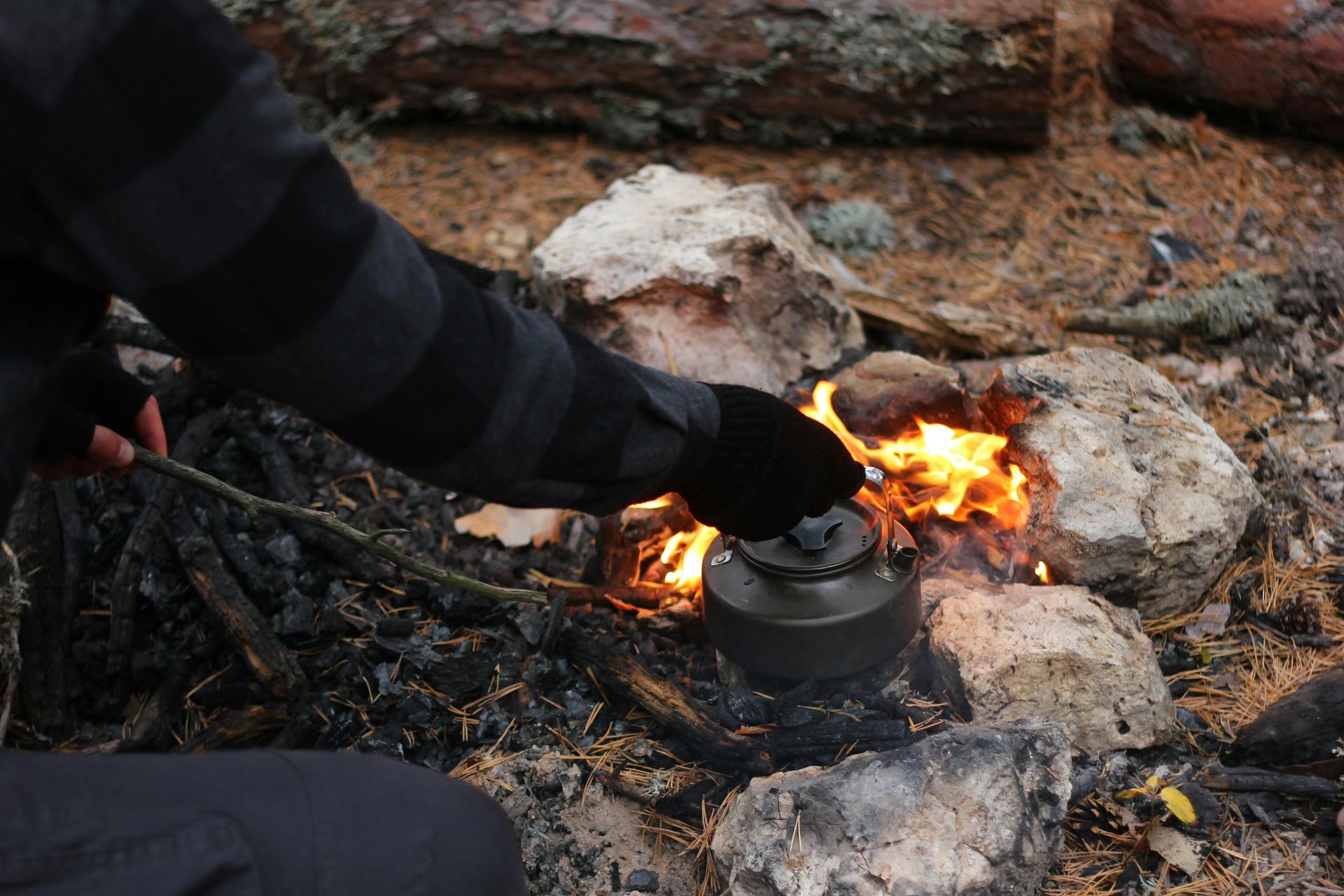
Person tending a campfire, heating a kettle on flames surrounded by rocks and charred wood.

Cooking and Food Supplies

Cold weather burns calories fast, so pack warm, hearty foods that are easy to prepare. Plan for high-energy meals and hot drinks to keep your body fueled and your spirits up.


Cooking essentials:


  • Liquid-fuel stove that performs well in freezing conditions


Recommended for cold-weather cooking

MSR WhisperLite International Stove

Liquid-fuel multi-fuel stove that keeps working when canister stoves struggle in deep cold - pairs with the draft's cooking essentials.

Check price on Amazon View on Amazon

Paid link: As an Amazon Associate I earn from qualifying purchases.

  • Fuel bottle and lighter.
  • Lightweight cookset and utensils.
  • Insulated mug and bowl.


Recommended for hot drinks & water

Hydro Flask 32 oz Wide Mouth

Insulated bottle that holds hot drinks and keeps melted snow water from refreezing - double duty for the cookset and comfort sections.

Check price on Amazon View on Amazon

Paid link: As an Amazon Associate I earn from qualifying purchases.

  • High-calorie foods: soups, oatmeal, pasta, nuts, and jerky.
  • Hot drink mixes like coffee, tea, and cocoa.
  • Collapsible water container.


Always boil or filter snowmelt before drinking. Avoid foods that freeze solid, and keep snacks in your pockets for quick energy on the trail.


Safety and Navigation Gear

Winter camping adds extra safety challenges like icy terrain and short daylight hours. Bringing the right emergency tools ensures you can handle any situation that comes up.


Safety items:


  • Map, compass, and GPS device.
  • Headlamp with extra batteries.


Recommended for winter nights

Petzl ACTIK CORE Headlamp

Rechargeable 650-lumen headlamp with red lighting - hands-free light for dark winter mornings and late tent setups.

Check price on Amazon View on Amazon

Paid link: As an Amazon Associate I earn from qualifying purchases.

  • First aid kit with hand warmers.
  • Multi-tool or pocket knife.
  • Whistle and emergency blanket.
  • Portable power bank for phone or headlamp recharging.


Always tell a friend where you’re going and when you’ll return. Double-check your battery levels and keep electronics close to your body to prevent them from freezing.


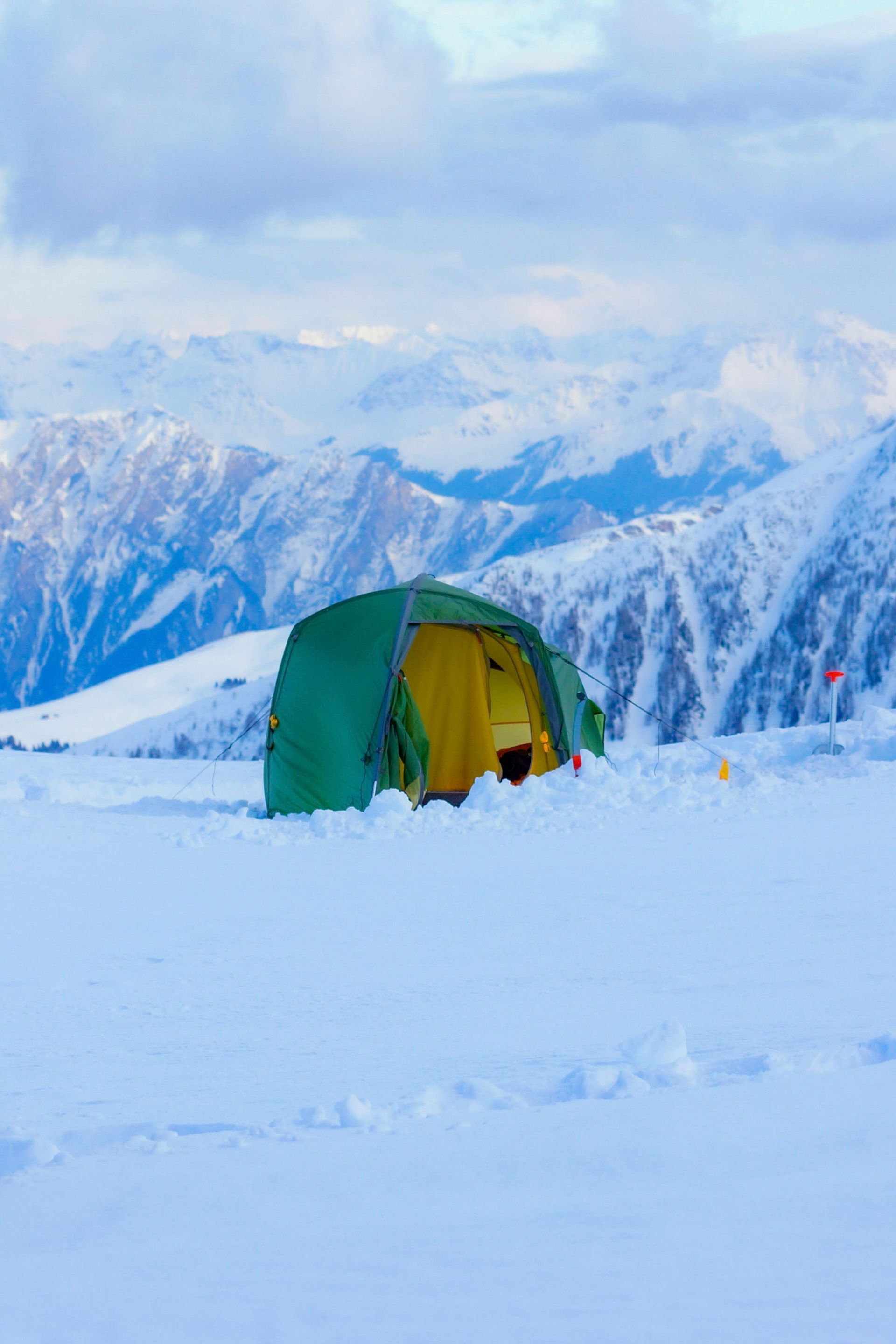
Green tent in snow, mountains in background, likely for camping.

Personal and Comfort Items

A few simple comfort items make winter camping much more enjoyable. Pack things that help you stay organized, clean, and cozy while you’re out in the cold.


Don’t forget:


  • Lip balm and sunscreen (winter sun can still burn).
  • Moisture-wicking underwear.
  • Hand and foot warmers.


Recommended for gloves & first aid

HotHands Hand Warmers Bulk Pack

Air-activated warmers for pockets, gloves, and the first-aid kit - cheap insurance when fingers go numb on the trail.

Check price on Amazon View on Amazon

Paid link: As an Amazon Associate I earn from qualifying purchases.

  • Compact camp chair or insulated pad.
  • Biodegradable wipes and small towel.
  • Trash bags for waste and snow protection.


Little extras like wipes, warmers, and a good chair help you feel at home outdoors. They also make mornings and evenings at camp much more relaxing.


Winter Camping Tips

A few small habits can make a big difference in comfort and safety. Practice these tips before your first cold-weather trip to make things easier.


Helpful tips:


  1. Keep batteries close to your body to stop them from freezing.
  2. Vent your tent to reduce condensation and frost.
  3. Store boots inside your sleeping bag overnight.
  4. Use a small brush to remove snow before entering your tent.


These habits help your gear last longer and keep your campsite warm and dry. They also make packing up in the morning quicker and cleaner.

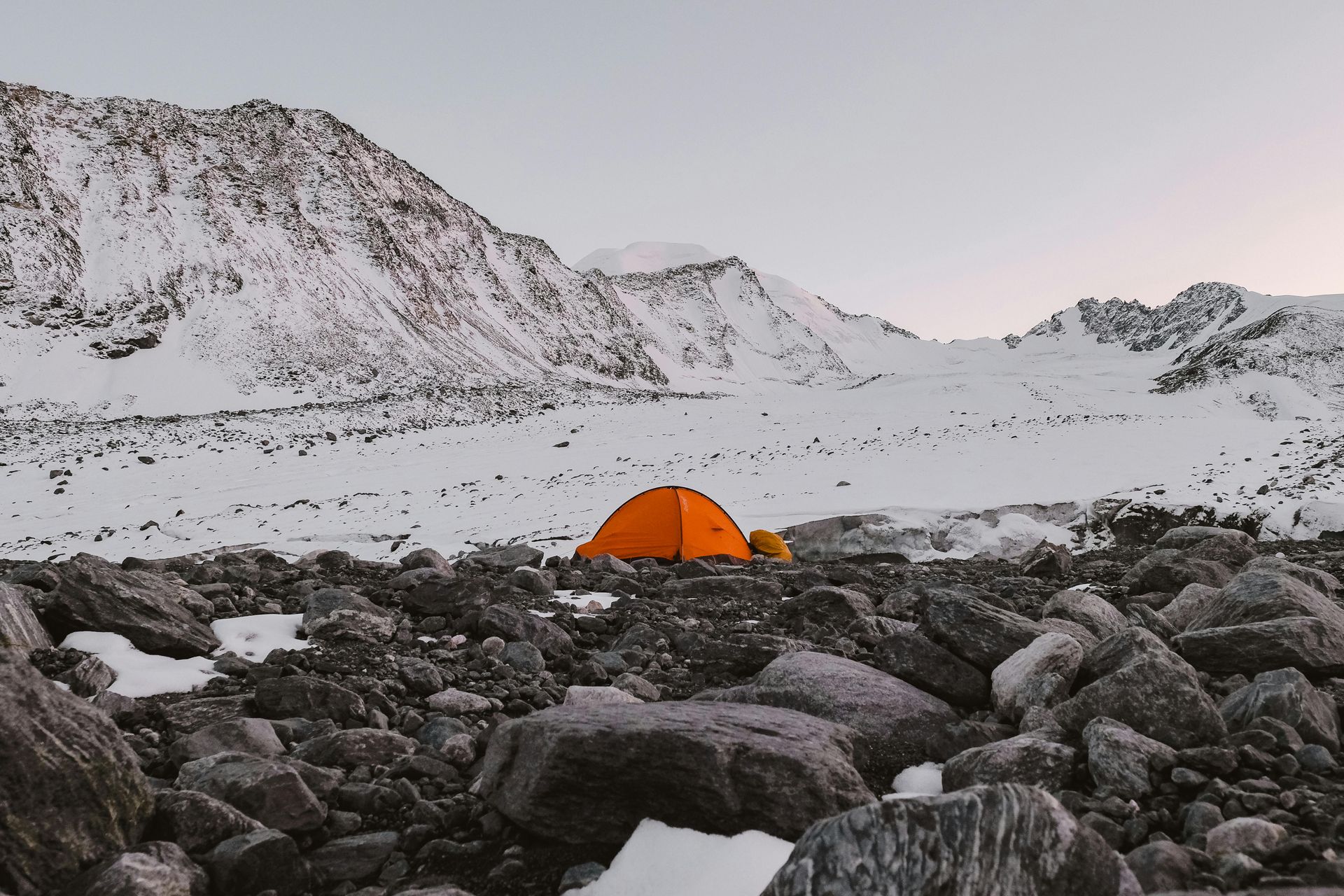
Orange tent on a rocky, snowy landscape, mountains in the background.

Frequently Asked Questions

  • How do I stay warm at night while winter camping?

    Use layers, a high-R-value sleeping pad, and a zero-degree sleeping bag. Place a hot water bottle inside your bag to stay toasty all night.

  • What should I eat while camping in the winter?

    Pack high-calorie meals like soups, pasta, and oatmeal, and keep snacks handy. Hot drinks help keep your energy up and your body hydrated.

  • What kind of tent do I need for winter camping?

    A four-season tent is best. It resists wind, snow, and condensation better than a three-season tent, keeping you safer in cold conditions.

Time to Bundle Up!

Winter camping can be both peaceful and exciting when you plan ahead. With the right gear, layers, and mindset, you’ll stay comfortable and ready for adventure in any temperature.


Want to plan your next cold-weather trip? Read our Skiing Packing List. Planning a warmer camping trip? Check out our Camping Packing List written for warmer climates.

image of the creator of The Smart Packer with his wife on a trip near a scenic river

About the Author: Richard


Richard is the traveler behind The Smart Packer, where he shares simple systems and packing lists that help people feel calm and prepared before every trip. As a former Boy Scout and Eagle Scout, he went on plenty of winter camping adventures growing up—learning firsthand how good planning can turn cold nights into great memories. Today, he combines that early outdoor experience with a lifelong love of travel to help others pack smarter and travel with confidence.

Recent Posts

Distant Ferris wheel and amusement park rides at dusk under a clear blue sky
By Richard Wooten • October 31, 2026
What to pack for Los Angeles: layers for coast vs valley, June Gloom, beach and city days, plus a full checklist.
White hatchback car driving on a mountain road at sunset, with passengers inside and hills in the background
By Richard Wooten • June 6, 2026
A simple road trip packing list with car essentials, snacks, chargers, comfort items, and safety gear for an easier drive.
Two women smiling on a balcony with ocean view and tropical plants, in bright daylight
By Richard Wooten • May 2, 2026
Discover the best Mother's Day trip ideas for 2026, from relaxing beach getaways to classy wine country weekends. Make this the year you win the "Favorite Child" award.
Show More