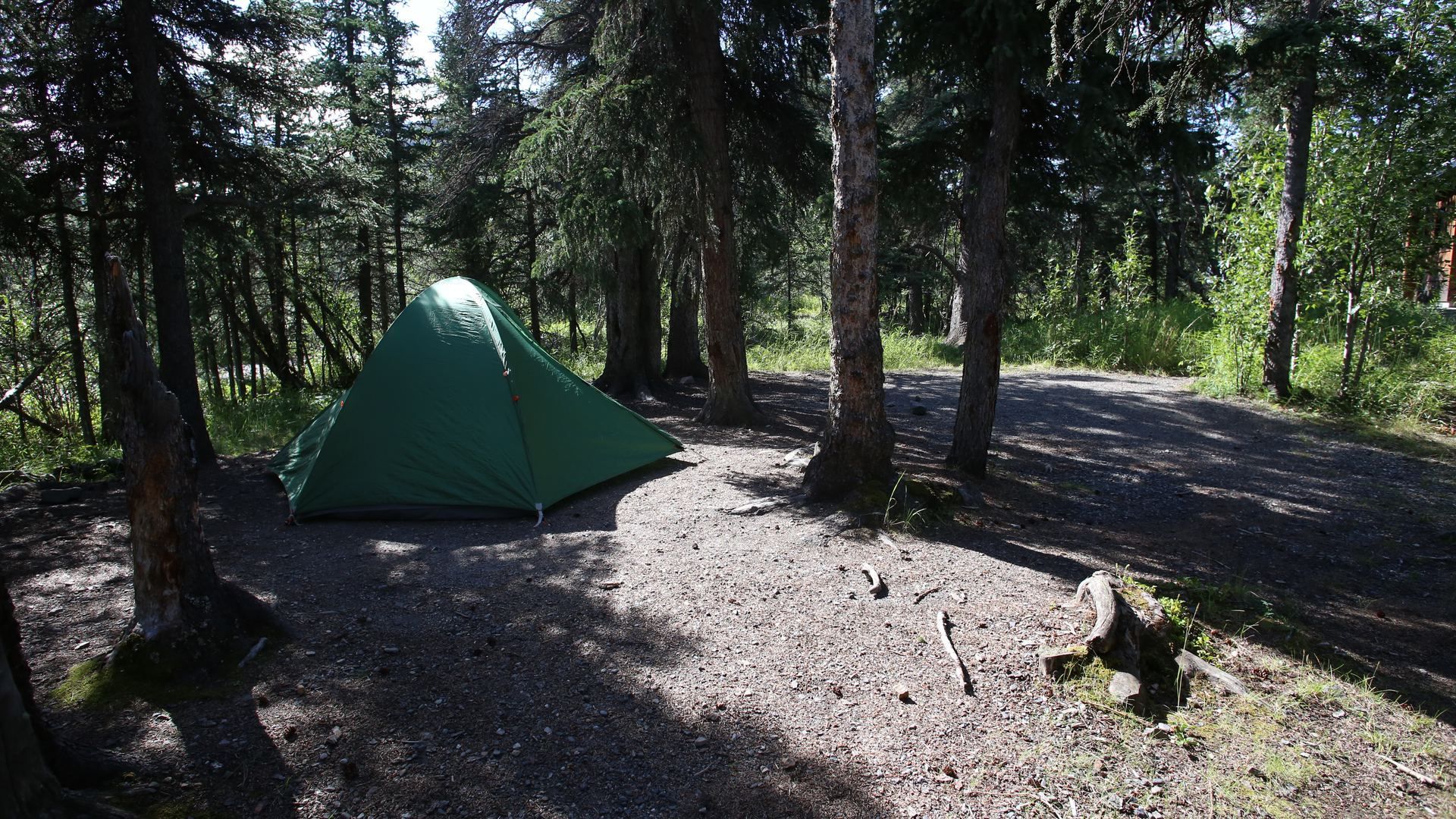
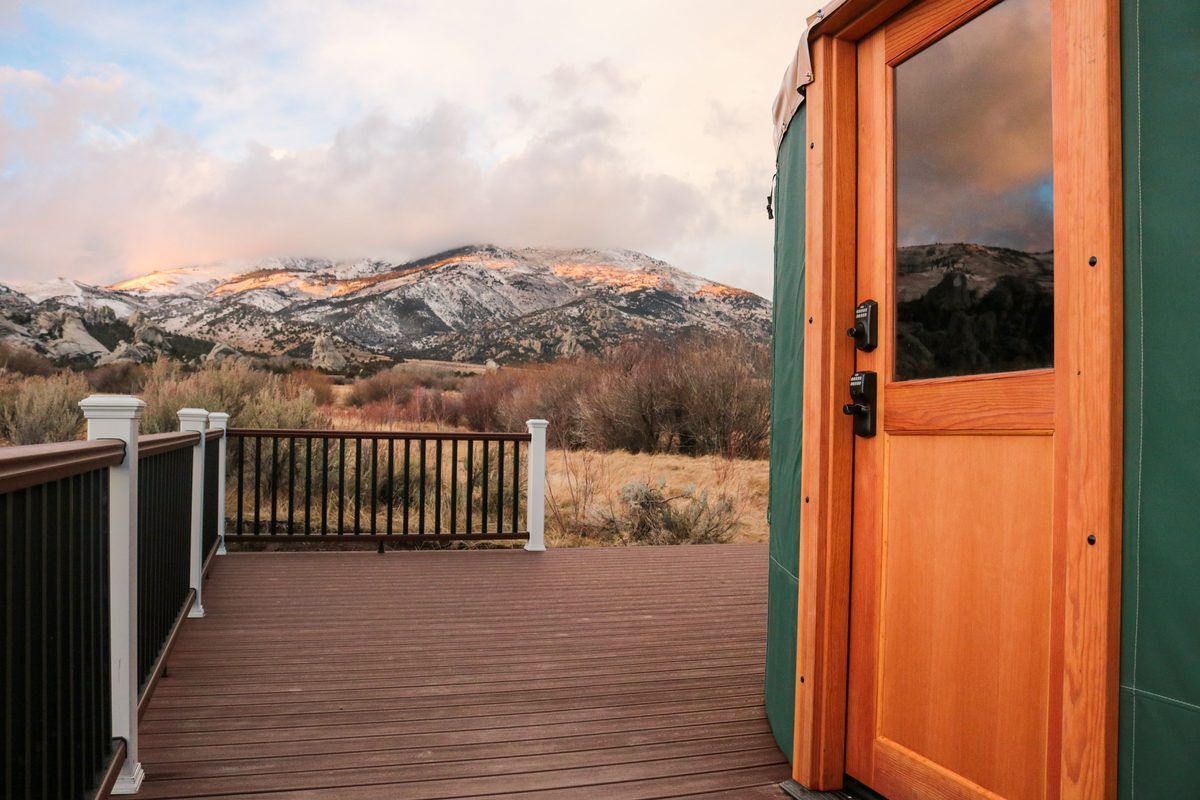
Photo (resized): U.S. Forest Service, public domain via Wikimedia Commons.

Direct answer: Glamping usually means a furnished bed is waiting for you, and many stays also include power, heat, or linens, but what is actually supplied varies. Start with your booking listing, then pack clothes for cool nights, a few comfort extras, a bathhouse and toiletries kit, a light, and insect repellent. Leave the tent at home, and skip sleeping pads, bedding, or a full camp kitchen if the listing already includes them. Use our camping packing list if you still need base camp gear, or the RV packing list if you are staying in a camper.
You won't forget anything because I won't let you.
What should you check before you pack?
Amenities vary more than the word "glamping" suggests. Start with the booking listing and confirmation, and keep both with your photo IDs. Check, at a minimum:
- Beds and mattresses
- Linens, pillows, and towels
- Heat, electricity, and outlets or a charging station
- A kitchen, cookware, and food storage, including whether there is a refrigerator or only a cooler
- A private bathroom or a shared shower house, and whether showers are coin-operated
- Pet rules, check-in details, and fire restrictions
Recreation.gov listings for furnished yurts and canvas platform tents show how wide the range can be. Some include beds, a stove or heater, picnic tables, and nearby restrooms with showers, but still tell you to bring your own linens, cooking utensils, and a lighting source. Others list canvas platform tents as fully furnished, with charging and lantern posts on site. National Park Service guidance for its Cape Lookout cabins makes the same point: even when "the basics are provided," you should still bring bed linens or a sleeping bag. Its cabin lodging page adds towels, bedding, pillows, a lantern or flashlight, insect repellent, sunscreen, and a first-aid kit.
If the kitchen is not stocked, use the camp kitchen section of our camping packing list. If you reserved an RV site instead of a furnished tent or yurt, use the RV packing list.
What clothes should you pack for cool nights?
Nights in a yurt or canvas tent can be colder than the afternoon on the deck, even when a heater is listed. The National Park Service Ten Essentials page says to prepare for sudden changes in weather and to pack an extra layer that reflects the most extreme conditions you could encounter, which may include a raincoat, jacket, hat, or gloves.
A simple layer system covers most glamping weekends:
- A base layer that dries quickly
- A warm mid layer, such as a fleece
- A rain shell
- Sleep clothes and a warm hat
- Spare socks and a pair of shoes you can wear around the deck
Packing cubes keep warm layers and rain gear sorted away from clean clothes ( Compression Packing Cubes). If your trip is in snow season, use the winter camping packing list for cold-weather layers.
What comfort extras are worth bringing?
The listing should drive this, not a generic luxury packing list. If pillows, blankets, or chairs are not included, bring them. If they are included, leave the bulky extras at home. Often worth the space:
- A pillow or pillowcase, if bedding is not provided
- An extra blanket for cool nights
- Earplugs and an eye mask, if you are a light sleeper
- Soft shoes or slippers for the deck
- A book, cards, or a downloaded show, plus the charger
A power bank helps when electricity is limited or there are no extra plug-ins. If you fly, TSA says power banks must go in carry-on bags, never checked bags.

What goes in a bathhouse and toiletries kit?
Some glamping stays have a private bathroom. Others share a shower house, and some showers are coin-operated, so check the listing and pack quarters if needed. Build a small kit you can carry to the bathhouse:
- A hanging toiletry bag, so soap and toothpaste are not sitting on a wet bench ( Hanging Travel Toiletry Bag)
- A quick-dry towel, if towels are not provided ( Turkish Beach Towel)
- Shower shoes or flip-flops
- A change of clothes and a bag for wet items
- Soap, shampoo, a toothbrush, and any personal toiletries
- Sunscreen and a compact first-aid kit, which National Park Service cabin pages also put on the bring list
What lighting and bug protection do you need?
Do not assume the unit will have usable lighting after dark. Recreation.gov yurt listings often tell you to bring your own lighting source, and National Park Service cabin pages include a lantern or flashlight on the packing list. The NPS Ten Essentials page says lighting helps you find your way or signal for help, lists flashlights and headlamps, recommends a headlamp because it is hands-free, and says to pack extra batteries. A headlamp still helps on the walk to a shared bathhouse, even if the yurt has a light inside.
For bugs, pack insect repellent. National Park Service cabin guidance includes it on the bring list. The CDC tick prevention page says to walk in the center of trails and to conduct a full body check upon return from potentially tick-infested areas, including in and around the hair and ears, around the waist, and at the back of the knees. This is not medical advice; follow the label on your repellent and ask a clinician if you have questions.
What should you leave at home?
Glamping is easier when you do not pack as if you were pitching a tent. Leave these at home unless the listing says you need them:
- A tent, and sleeping pads if beds are provided
- Bedding, pillows, and towels, if the listing includes them
- A full camp kitchen, if cookware and a stove are already there
- Extra furniture
- Firewood from home. Don't Move Firewood says not to move firewood long distances because it can transport invasive species, and to buy it where you will burn it, buy certified heat-treated firewood, or gather on site where permitted.
- Pets, if the listing does not allow them
If you will use a fire ring, check fire restrictions and follow Smokey Bear campfire safety, including putting the fire completely out before you leave.
Glamping packing checklist
Use this split list so you pack what the stay does not already include. The camping packing list covers a tent, kitchen, cooler, and other base gear if you need those items.
Check the listing
- Beds, linens, pillows, and towels
- Heat, electricity, outlets, or a charging station
- Kitchen, cookware, and food storage
- Private bathroom or shared shower house, including whether showers are coin-operated
- Pet rules and fire restrictions
- Reservation confirmation and photo IDs
To pack
- Clothing layers for cool nights, including a rain shell, warm mid layer, sleep clothes, warm hat, and spare socks
- A pillow or extra blanket, if bedding is not provided
- Hanging toiletry bag, shower shoes, and a quick-dry towel if towels are not provided
- Headlamp or lantern, plus extra batteries
- Insect repellent, sunscreen, and a compact first-aid kit
- Soft shoes for the deck, and a small comfort kit (earplugs, eye mask, or a book)
- Power bank (carry-on only if you fly)
- Packing cubes to keep warm layers and rain gear sorted away from clean clothes
Leave at home unless the listing says otherwise
- Tent and sleeping pads
- Bedding, pillows, and towels already provided
- A full camp kitchen already provided
- Extra furniture
- Firewood from home
- Pets, if they are not allowed

Hanging Travel Toiletry Bag (Black)
A hanging toiletry bag for a shared bathhouse, so soap and toothpaste stay off the wet bench.
From our shop: we sell this product and earn from purchases.

Turkish Beach Towel (Beige)
A quick-dry towel that packs flat if your listing does not include bath towels.
From our shop: we sell this product and earn from purchases.
Glamping packing FAQ
What should I pack for glamping?
Start with your booking listing, then pack clothes for cool nights, a few comfort extras such as a pillow or extra blanket if those are not provided, a bathhouse and toiletries kit, a headlamp or lantern with extra batteries, insect repellent, sunscreen, and a small first-aid kit. Leave the tent at home if a furnished shelter is waiting for you.
Do I need a tent or sleeping bag for glamping?
Usually no tent, because a furnished yurt, cabin, or canvas tent is the point of the stay. You may still need a sleeping bag or linens if the listing does not include bedding. National Park Service cabin guidance says that even when the basics are provided, you should still bring bed linens or a sleeping bag.
Are linens and towels provided when I go glamping?
Not always. Some listings include them, and others provide beds or mattresses only. Recreation.gov yurt listings often tell you to bring your own linens, and National Park Service cabin pages say to bring towels, bedding, and pillows. Check your booking listing before you pack or skip those items.
What clothes should I pack for a glamping trip?
Pack layers for cool nights and sudden weather: a quick-dry base layer, a warm mid layer, a rain shell, sleep clothes, a warm hat, and spare socks. The National Park Service Ten Essentials page says to pack an extra layer that reflects the most extreme conditions you could encounter, which may include a raincoat, jacket, hat, or gloves.
What should I leave at home when I go glamping?
Leave the tent at home, and skip sleeping pads, bedding, towels, and a full camp kitchen if the listing already includes them. Do not bring firewood from home unless the listing says otherwise; Don't Move Firewood says to buy it where you will burn it. Check pet rules before you pack for an animal.