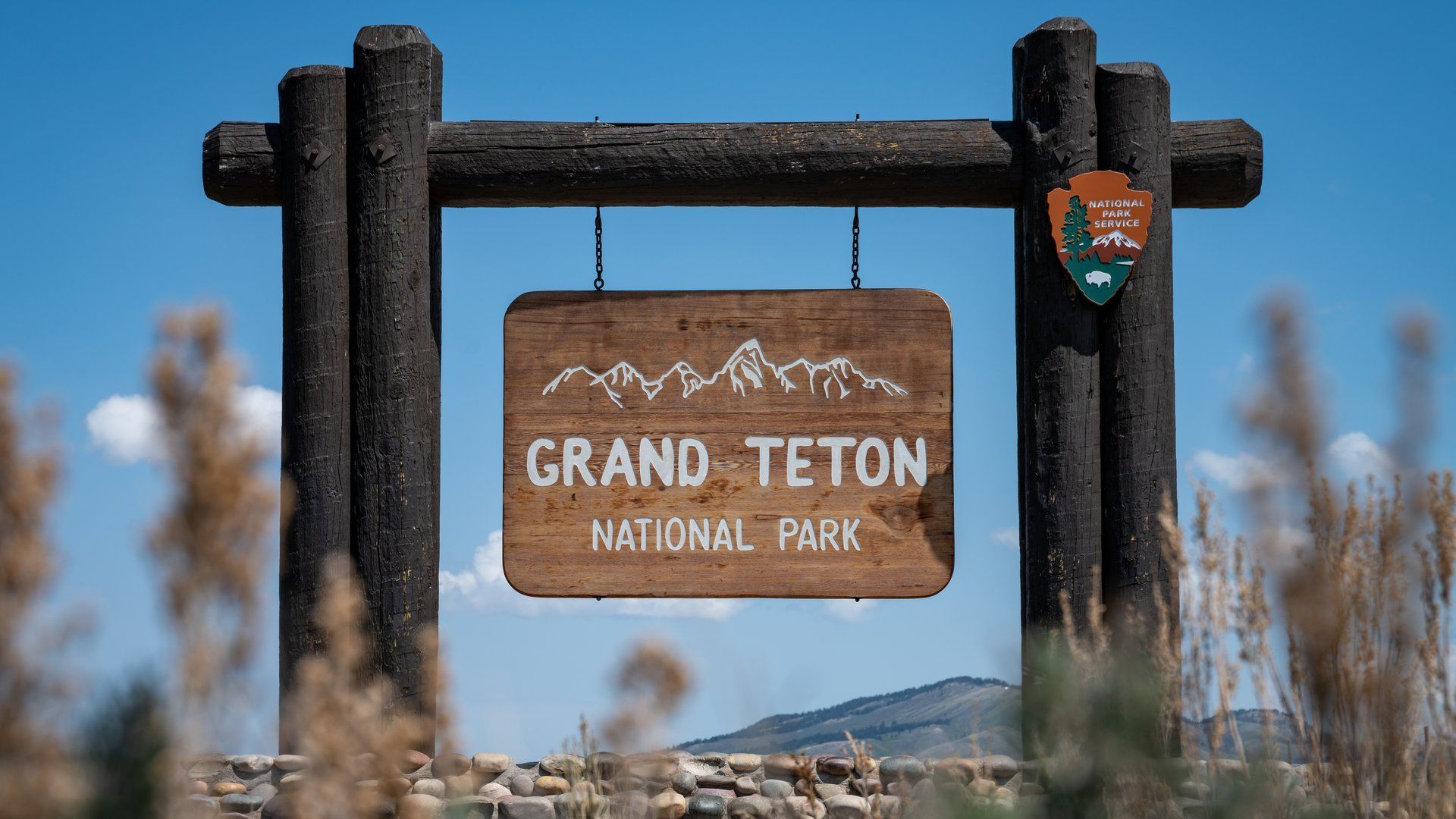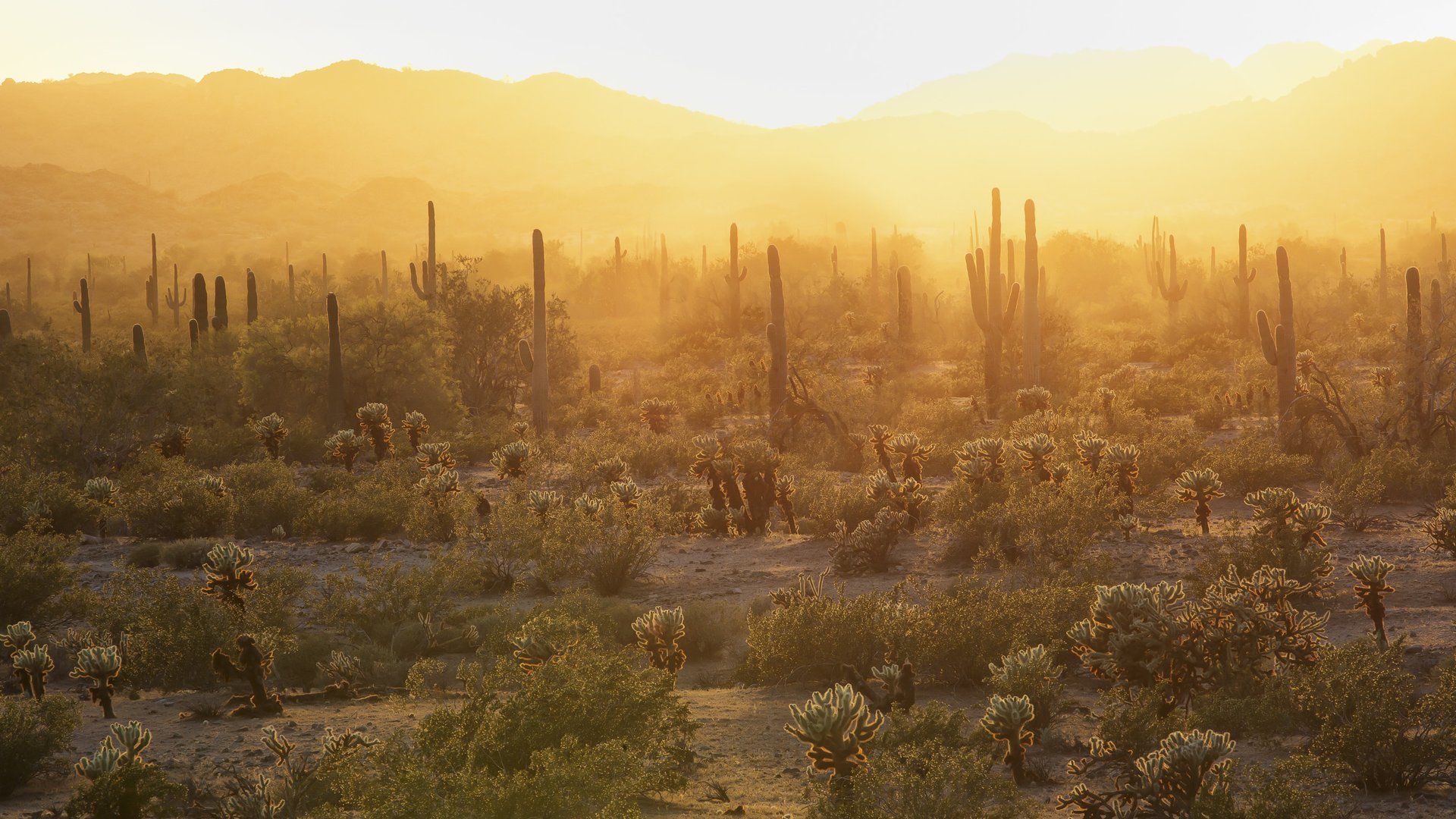
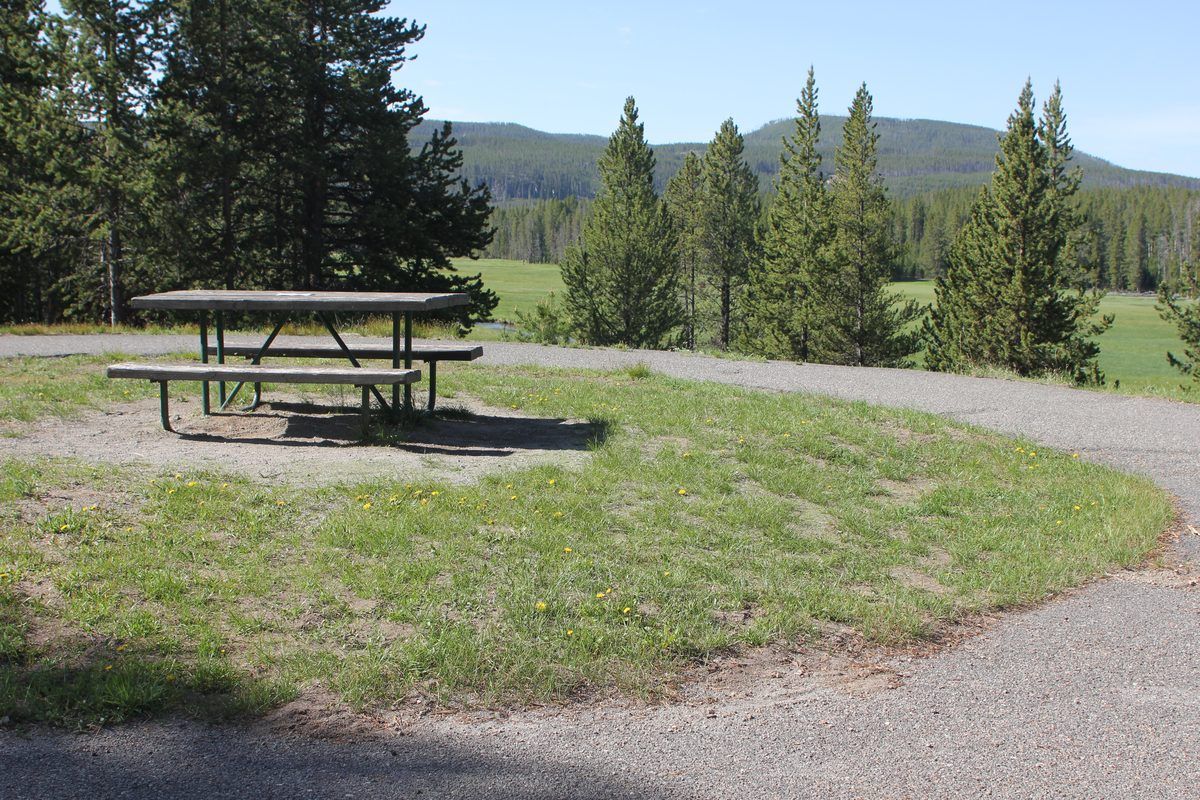
Photo (resized): NPS Photo / Emily Mesner, public domain via Wikimedia Commons.

Direct answer: For family camping with kids, pack sleep gear that fits each child (and a CPSC-approved portable crib or play yard for infants), extra clothing layers and spare outfits, snacks and water they will actually eat and drink, simple entertainment, a first-aid kit with child-specific items your pediatrician has approved, and safety gear for water, campfires, and getting lost. Use our camping packing list for the tent, stove, kitchen, lighting, and other base gear. This is not medical advice.
You won't forget anything because I won't let you.
Before you pack, check whether your campground requires a reservation. The National Park Service says some sites can be reserved through Recreation.gov and others are first-come, first-served ( NPS campsite guidance). Recreation.gov recommends creating an account ahead of time. Popular sites book up quickly, and you have 15 minutes to finish checkout once a site is in your cart. Keep the confirmation with your photo IDs.
What sleep gear do kids need at camp?
Start with the shelter on our camping packing list, then pack sleep gear that actually fits each child. For older kids, that usually means a sleeping bag and sleeping pad in their size, a pillow, and an extra blanket. The National Park Service suggests trying backyard camping first and testing gear so you know it works and fits ( NPS camping safety).
Infant sleep is different, and this is not medical advice. The American Academy of Pediatrics safe sleep guidance says to place a baby on their back on a firm, flat sleep surface, such as a crib, bassinet, portable crib, or play yard that meets Consumer Product Safety Commission standards, with only a fitted sheet. It says not to put loose blankets, pillows, stuffed toys, or bumper pads in that sleep space, and it recommends room sharing without bed sharing. Pack a CPSC-approved portable crib or play yard and a snug fitted sheet. The AAP says a firm surface should not indent when your baby lies on it, that any surface inclined more than 10 degrees is not safe for sleep, and that pillows, blankets, and mattress toppers do not belong in a baby's sleep area. So do not put an infant to sleep on an air mattress or sleeping pad or in a sleeping bag, and do not add padding to the play yard. If your baby falls asleep in a car seat, stroller, or carrier, the AAP says to move them to a firm, flat surface on their back as soon as possible. Ask your pediatrician if you have questions.
How should you pack clothing layers and spares for kids?
Kids get wet, muddy, and cold faster than the packing list expects. NPS hiking-with-kids guidance says that taking kids along means packing extra jackets, dry socks, and hats. Its camping safety list also says to always bring extra clothing for cold, rain, or wind. A simple kid layer system covers most weekend trips:
- A base layer that dries quickly
- A warm mid layer, such as a fleece
- A rain jacket, and rain pants if you expect wet weather
- A sun hat and a warm hat
- Dry socks and a spare pair of shoes or sandals
- At least one full spare outfit per day, plus an extra set in a dry bag or cube
For sun, the AAP sun safety page recommends clothing that covers the body when possible, a hat with an all-around 3-inch brim, and sunglasses with at least 99% UV protection. It also recommends a broad-spectrum sunscreen with SPF 15 to 50, put on 15 to 30 minutes before going outside, and reapplied every 2 hours and after swimming, sweating, or toweling off. For babies younger than 6 months, it says to keep them out of direct sunlight and to use sunscreen only on small areas, such as the face, if protective clothing and shade are not available. This is not medical advice.
In woods and tall grass, the AAP also recommends a hat and a tick check at the end of the day, and the CDC tick prevention page says to walk in the center of trails and check your child's body after you come in, including the hair, ears, waist, and behind the knees. Packing cubes keep kids' swimwear and rain gear sorted away from clean clothes ( Compression Packing Cubes). Going in snow season? Use the winter camping packing list for cold-weather layers.
What kid-friendly food and snacks should you bring?
Use the camp kitchen and cooler on our camping packing list for the stove, cookware, and food storage. For kids, pack meals and snacks they already eat, more snacks than you think you need, and a refillable water bottle for each child. Keep a few easy no-cook options for late arrivals and picky evenings.
The CDC's guidance on preventing norovirus while camping says to wash hands with soap and water thoroughly and frequently, especially after using the toilet or changing diapers and before eating or preparing food, and that hand sanitizer does not work well against norovirus. It recommends packing biodegradable soap and clean water for washing if there is no sink, washing fruits and vegetables with clean water, and keeping toileting and changing areas away from food. This is not medical advice.

What entertainment keeps kids busy at camp?
Plan for downtime at the picnic table and in the tent. NPS ideas for hiking with kids include listening for bird calls and other nature sounds, keeping a list or journal of animals and plants, sketching, and taking photos. Pack a short stack of familiar options so you are not starting from zero after dark:
- A deck of cards or a small travel game
- A couple of books or a nature journal and pencils
- A ball or frisbee
- Headlamps for each person, which also help with night bathroom trips
If you bring a tablet or other device, pack the charger. A power bank helps when the site has no outlet. If you fly to camp, TSA says power banks must go in carry-on bags, never checked bags.
What belongs in a first-aid kit for kids?
This is not medical advice, and a kit is not a substitute for emergency care or your child's doctor. The American Red Cross camping first-aid checklist(dated June 24, 2024) includes adhesive bandages, antibacterial ointment, antiseptic wipes, burn gel, disposable gloves, gauze, medical tape, scissors, a thermometer, an instant cold pack, tweezers, an emergency blanket, and a first-aid manual. For medications, it lists aloe or another sunburn treatment, antihistamines for children and adults, pain relievers for children and adults, and personal medications. It also says to check expiration dates and keep first-aid kits out of the reach of young children.
The Red Cross family first-aid kit list adds the same idea: include personal medications and emergency phone numbers, and replace used or expired items. Ask your pediatrician what to pack for your child, including any prescriptions and the right child-specific products. Tweezers help with the tick checks described above. On insect repellent, the AAP summer safety page says the current AAP and CDC recommendation for children older than 2 months is 10% to 30% DEET, and that DEET should not be used on children younger than 2 months. It also says to avoid combination sunscreen and repellent products. The CDC tick page says to apply sunscreen first and repellent second, and not to use products containing oil of lemon eucalyptus or para-menthane-diol on children under 3 years old. The EPA's repellent safety page says not to let children handle repellent or put it on their hands, to apply it to your own hands first and then to the child, and not to apply it near the eyes and mouth.
How do you keep kids safe around water, fire, and getting lost?
Water comes first. The CDC drowning prevention page(updated September 29, 2025) says to designate a responsible adult to supervise closely and constantly when children are in or near water, and that adults watching kids should avoid distracting activities like reading, using the phone, and consuming alcohol, because drowning happens quickly and quietly. It also says adults should supervise closely even when lifeguards are present, that life jackets should be used by children for all activities in and around natural water, and not to rely on air-filled or foam toys as safety devices.
The AAP's updated drowning prevention recommendations(published May 18, 2026) say never to leave young children alone or with another child in or near water, and that a supervising adult with swimming skills should stay within arm's length and provide "touch supervision" for an infant, toddler, or weak swimmer. It says young children near water, non-swimmers, and those riding on boats should wear Coast Guard-approved life jackets, with adults modeling use. The AAP life jacket page adds that the jacket should be the right size and not loose, with all straps fastened, that blow-up water wings, toys, rafts, and air mattresses should never be used as life jackets, and that life jackets should never be substitutes for adult supervision. The Red Cross swim safety guidance also says to designate a water watcher in a group, stay within arm's reach of weak or inexperienced swimmers, and check the water first if a child is missing.
For campfires, pack a bucket or jug of water and a shovel, and check fire restrictions before you go. Smokey Bear's rules for kids include never playing with matches or lighters, always having an adult watch the fire, not pulling sticks out of the fire, and not sitting on the fire ring or rocks, which heat up fast and stay hot. Its campfire safety page says to keep the fire at least 15 feet from tents, keep an eye on children and pets, and put the fire out with the drown, stir, drown, and feel method: pour lots of water on it, stir, add more water, and do not leave until the ashes are cool. If it is too hot to touch, it is too hot to leave.
To reduce the chance of a child getting lost, NPS camping safety says to emphasize staying together, carry whistles, use a buddy system, stay on the trail, and tell children to "Hug a Tree" and stay put if they get separated (adults should stay put too, except in imminent danger). Leave a trip itinerary with an emergency contact who is not on the trip, and pack a whistle for each child.
What extra items do toddlers and babies need?
Add a toddler and baby bag on top of the kid clothing and safety lists above. Useful extras include diapers and wipes, a changing pad, diaper cream, several spare outfits, a familiar cup or bottles, and a baby carrier or stroller that works on your site's paths. For sun, use shade and covering clothes, especially for babies younger than 6 months, as the AAP sun page describes.
For sleep, pack the CPSC-approved portable crib or play yard and fitted sheet already noted, and do not put loose blankets, pillows, or stuffed toys in an infant's sleep space. For water, pack a correctly sized Coast Guard-approved life jacket and use touch supervision. This is not medical advice; ask your pediatrician about sleep, sunscreen, insect repellent, and medications for your child's age.
Family camping packing checklist
Use this split list for the kid-specific gear. The camping packing list covers the tent, kitchen, cooler, lighting, and other base gear, so those items are not repeated here. Keep reservation confirmations, photo IDs, and emergency contacts together ( Family Travel Document Organizer).
For the kids
- Sleeping bag, pad, and pillow that fit the child (older children only, not infants)
- Extra blanket for older children only
- CPSC-approved portable crib or play yard and fitted sheet, for infants
- Extra jackets, dry socks, hats, and spare outfits
- Sun hat, youth sunglasses with UV protection, and sunscreen
- Water bottle and snacks they will eat
- Whistle
- Coast Guard-approved life jacket that fits
- A small stack of games, books, or a nature journal
For the adults
- Reservation confirmation, photo IDs, and emergency contacts
- Adult clothing layers and rain gear
- Headlamp and a whistle
- A Coast Guard-approved life jacket, if you will be on or near the water
- Phone, charger, and a printed or downloaded itinerary left with a contact at home
Shared
- Tent, kitchen, cooler, and lighting from the camping packing list
- First-aid kit with child and adult items your doctor has approved
- Soap and clean water for handwashing
- Insect repellent that matches your child's age
- Bucket or jug of water and a shovel for the campfire
- Packing cubes for spare clothes, swimwear, and rain gear
- Power bank (carry-on only if you fly)

Family Travel Document Organizer (Black)
One zippered organizer for campground reservations, photo IDs, and emergency contacts.
From our shop: we sell this product and earn from purchases.
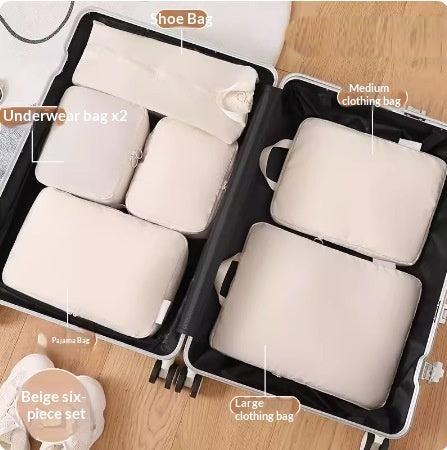
Compression Packing Cubes, 6-Piece Set (Beige)
Six zippered cubes that keep kids' swimwear and rain gear sorted away from clean clothes.
From our shop: we sell this product and earn from purchases.
Family camping packing FAQ
What should I pack for family camping with kids?
Pack kid sleep gear, extra clothing layers and spare outfits, snacks and water, simple entertainment, a first-aid kit with child-specific items your pediatrician has approved, and safety gear for water, campfires, and getting lost. Use our camping packing list for the tent, kitchen, and other base gear.
What sleep gear do kids need for camping?
For older kids, a sleeping bag and pad that fit, a pillow, and an extra blanket. For infants, the American Academy of Pediatrics recommends a firm, flat sleep surface such as a portable crib or play yard that meets CPSC standards, with only a fitted sheet and no loose blankets, pillows, or toys, and placing the baby on their back. Do not use a sleeping bag, air mattress, sleeping pad, or extra padding for infant sleep. This is not medical advice.
What should be in a first-aid kit for kids at camp?
The American Red Cross camping first-aid checklist includes bandages, antiseptic wipes, antibacterial ointment, a thermometer, tweezers, an instant cold pack, and children's as well as adult antihistamines, pain relievers, and personal medications. Check expiration dates, keep the kit out of the reach of young children, and ask your child's doctor what to pack. This is not medical advice.
How do I keep kids safe around water and campfires?
The CDC and AAP say to supervise children closely and constantly near water, keep a capable adult within arm's reach of infants, toddlers, and weak swimmers, and use Coast Guard-approved life jackets, which do not replace supervision. Smokey Bear says an adult should always watch the campfire, children should never play with matches or lighters, and you should keep water and a shovel nearby and put the fire completely out before you leave.
What extra items do I need when camping with a baby or toddler?
Diapers, wipes, a changing pad, extra clothes, sun-protective clothing and shade, and a CPSC-approved portable crib or play yard for infant sleep. Pack a properly fitted Coast Guard-approved life jacket, and use touch supervision in and around water. This is not medical advice; ask your pediatrician if you have questions about sleep, sunscreen, or medications.